
Proving what a property owner knew about a dangerous condition often determines whether an injury victim receives compensation. Property owners have a legal duty to maintain safe premises, but they frequently deny having any knowledge of hazards that caused someone to get hurt. Our friends at The Andres Lopez Law Firm understand that premises liability cases require strong evidence showing the owner either knew about the dangerous condition or should have discovered it through reasonable inspection. A slip and fall lawyer can help gather the documentation needed to prove an owner’s knowledge of the hazard.
The Two Types Of Knowledge That Matter
Property owners can be held liable based on actual knowledge or constructive knowledge. Actual knowledge means they directly knew about the dangerous condition. Constructive knowledge means the hazard existed long enough that a reasonable property owner should have discovered it during regular inspections. Most property owners will not admit they knew about a problem. That makes constructive knowledge claims more common in injury cases.
Evidence That Proves Actual Knowledge
When a property owner has actual knowledge, there is usually a paper trail or witness testimony. Strong evidence of actual knowledge includes:
- Written complaints from customers, tenants, or employees about the specific hazard
- Incident reports documenting previous accidents in the same location
- Maintenance requests that were ignored or delayed
- Emails or text messages discussing the dangerous condition
- Photos or videos showing that the owner was aware of the problem
Security camera footage can be particularly valuable. If cameras captured the hazard developing over time, or if they show an employee walking past the dangerous condition without addressing it, that footage becomes powerful proof.
Building A Case For Constructive Knowledge
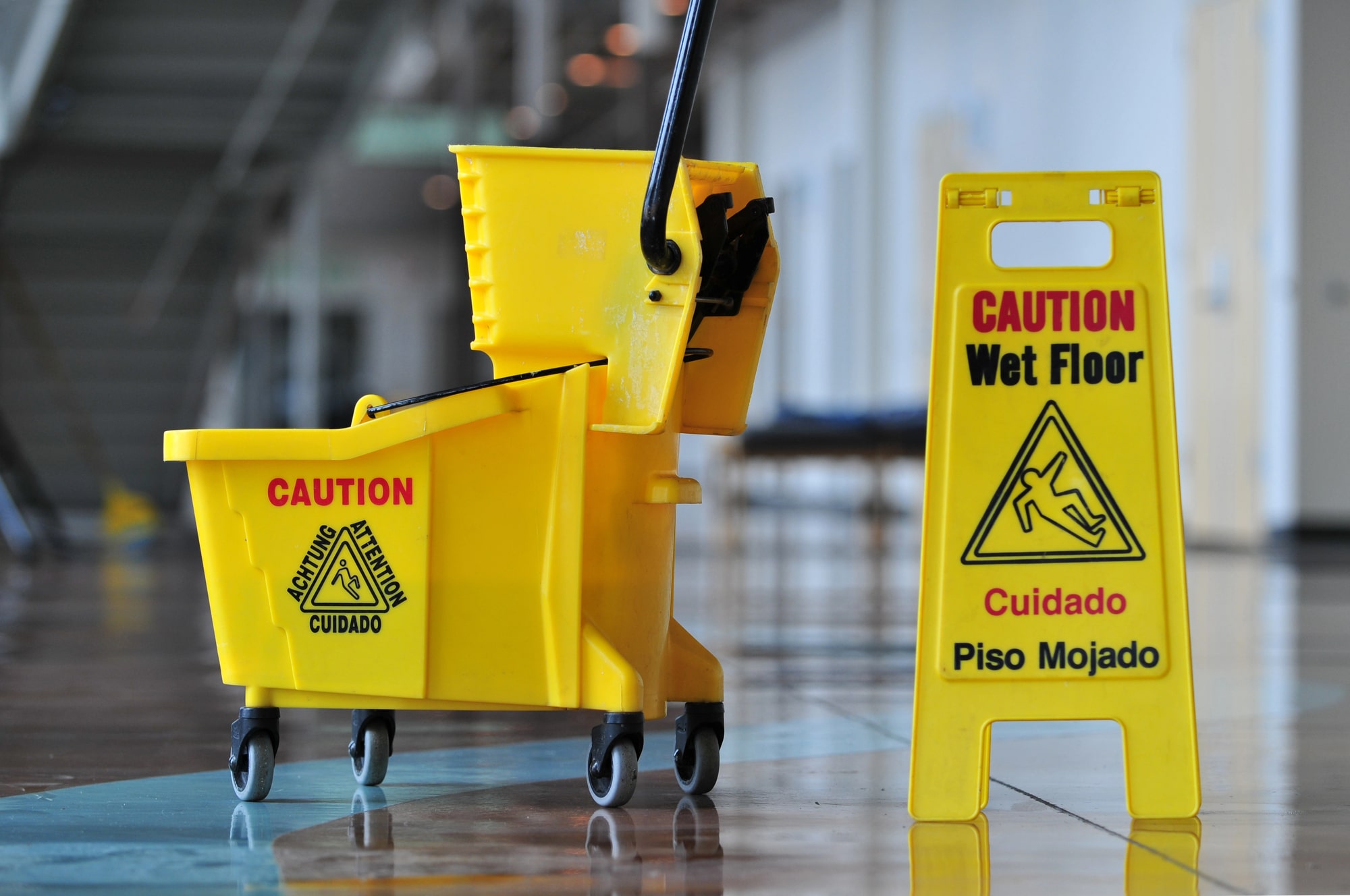
Constructive knowledge cases focus on how long the dangerous condition existed and whether regular inspections would have revealed it. A wet floor that has been there for three hours is different from a spill that happened three minutes ago. According to premises liability law, Florida requires injured parties to prove the property owner had actual or constructive knowledge of the dangerous condition. This means showing the hazard was present for a sufficient length of time that the owner should have known about it. Time-stamped evidence becomes essential here. Witness statements about how long a hazard existed, combined with the property owner’s inspection schedule, help establish whether they should have discovered the problem.
Common Defense Tactics Property Owners Use
Property owners and their insurance companies use predictable strategies to avoid liability. They often claim the dangerous condition was open and obvious, meaning any reasonable person should have seen it. They might argue that the hazard appeared moments before the accident, giving them no opportunity to fix it. Some property owners destroy evidence or claim maintenance logs were lost. Others suddenly produce inspection records that appear suspiciously convenient. Recognizing these tactics early allows injury victims to preserve evidence before it disappears.
Documentation That Strengthens Your Claim
Beyond proving the owner’s knowledge, injury victims need to document the condition itself. Take photographs from multiple angles showing the exact hazard and the surrounding area. Get contact information from anyone who witnessed the accident or saw the dangerous condition before the incident. Medical records linking your injuries directly to the fall are equally important. Delaying medical treatment gives insurance companies ammunition to argue your injuries were not serious or were caused by something else. Property maintenance records, if obtainable, can reveal patterns of neglect. A history of deferred maintenance or repeated violations suggests the owner prioritized cost-cutting over safety.
Taking Action After A Premises Liability Injury
The gap between a property owner’s legal duty and their willingness to accept responsibility can be significant. Building a strong case requires immediate evidence gathering and understanding what documentation proves their knowledge of the dangerous condition. If you were injured on someone else’s property due to a hazardous condition they knew about or should have discovered, speaking with a legal professional can help you understand your options for pursuing compensation.