

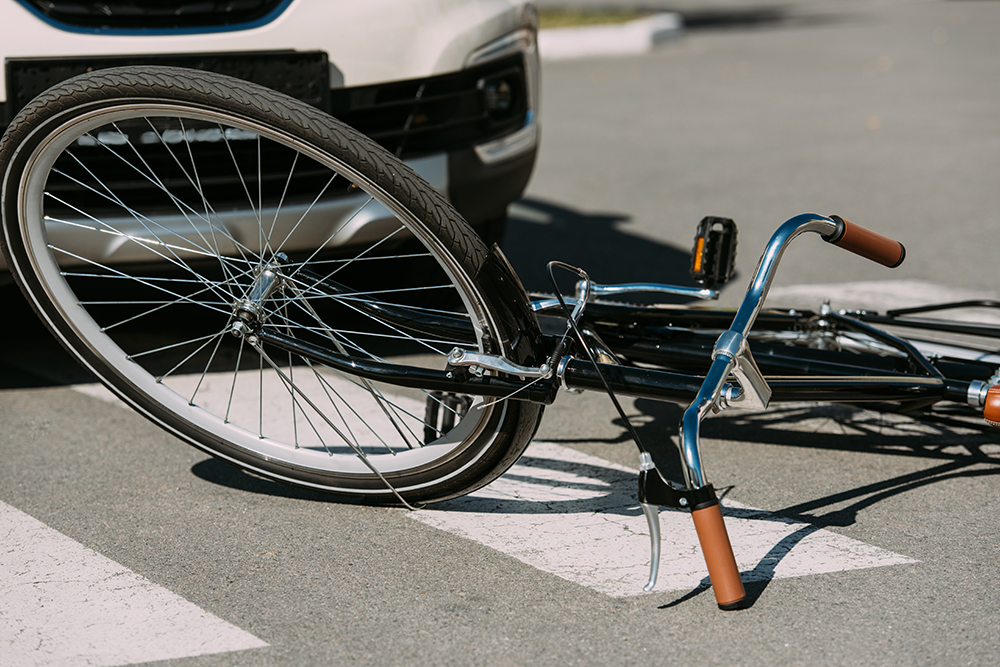
Bicycles share roads, intersections, parking areas, and other spaces with much larger vehicles. Cyclists also encounter pedestrians, road defects, opening car doors, construction zones, and changing traffic conditions. A bicycle accident lawyer can help injured cyclists understand their legal rights and pursue compensation after an accident involving a vehicle, road hazard, or other dangerous condition.
Because cyclists have relatively little protection in a collision, understanding how bicycle accidents occur can help both riders and drivers reduce preventable risks.
Our friends at Isaacson, Schiowitz & Korson, LLP discuss several common situations that can lead to bicycle crashes.
Drivers Failing to See Cyclists
One of the most common issues in bicycle accidents is simple visibility.
Drivers may look for other cars while overlooking a cyclist traveling near the roadway. This can happen when a vehicle turns, changes lanes, enters traffic from a driveway, or pulls away from the curb.
Cyclists can improve visibility by using lights and reflective equipment where appropriate, but drivers still have a responsibility to remain alert for all roadway users.
Turning Vehicles
Intersections create frequent conflicts between bicycles and motor vehicles.
A driver making a turn may cross the path of a cyclist traveling straight through the intersection. The risk can increase when the cyclist is located near the side of the road or when another vehicle blocks visibility.
Drivers should check carefully before turning, and cyclists should remain alert for vehicles that may cross their path.
Unsafe Lane Changes
A bicycle may be traveling beside or slightly behind a vehicle when the driver begins moving into the cyclist’s space.
Mirrors can help, but drivers should also check blind spots before changing lanes.
Cyclists should avoid remaining in areas where a driver may have difficulty seeing them for extended periods.
Opening Car Doors
A parked vehicle can create a serious hazard if an occupant opens a door into the path of an approaching bicycle.
A cyclist may have little time to stop or move around the door, particularly when traffic is traveling alongside the bicycle.
Drivers and passengers can reduce the risk by checking mirrors and looking for cyclists before opening doors into a roadway or bicycle lane.
Following Too Closely
Bicycles can stop or slow quickly for potholes, pedestrians, vehicles, or traffic signals.
A driver who follows a cyclist too closely may not have enough distance to react.
Maintaining adequate space provides the driver with time to respond if the cyclist changes speed or direction unexpectedly.
Passing Without Enough Space
A vehicle passing too close can force a cyclist toward parked cars, curbs, drainage structures, or road defects.
The precise legal requirements for passing bicycles vary by jurisdiction, but the general safety principle is consistent: drivers should allow enough room to pass without crowding the cyclist.
Waiting for a safer opportunity is preferable to attempting to squeeze through a narrow space.
Road Defects and Debris
Bicycles react differently to pavement defects than larger vehicles.
A pothole that is uncomfortable for a car may be difficult or impossible for a cyclist to travel across safely. Loose gravel, broken pavement, drainage grates, debris, and uneven surfaces can also cause a rider to lose control.
Cyclists often need to make quick movements to avoid these conditions, which is another reason drivers should leave adequate space.
Distracted Driving
A distracted driver may fail to notice a bicycle until it is too late.
Looking at a phone, adjusting navigation, eating, or concentrating on something inside the vehicle can reduce the time available to respond.
Cyclists can also become distracted by phones, headphones, or other devices.
Everyone using the roadway benefits from remaining attentive.
Poor Visibility
Darkness, rain, fog, glare, and other conditions can make cyclists harder to see.
Drivers should adjust speed and attention to the conditions. Cyclists may improve visibility through appropriate lighting and reflective materials.
A driver should not assume that a bicycle will always be obvious simply because the driver has headlights.
What to Do After a Bicycle Accident
After a collision, safety and medical needs should come first.
When possible, cyclists should obtain driver and insurance information, identify witnesses, photograph the location and bicycle damage, and preserve any damaged equipment.
A helmet involved in a significant impact should generally not be reused unless the manufacturer indicates otherwise.
The Bottom Line
Bicycle accidents often result from the interaction of several factors rather than a single mistake.
Turning vehicles, poor visibility, unsafe passing, road conditions, distracted driving, and limited space can all contribute.
Drivers and cyclists who anticipate these situations can reduce risk. After an accident, careful documentation can also help explain what occurred and preserve information that may otherwise disappear.